
Description
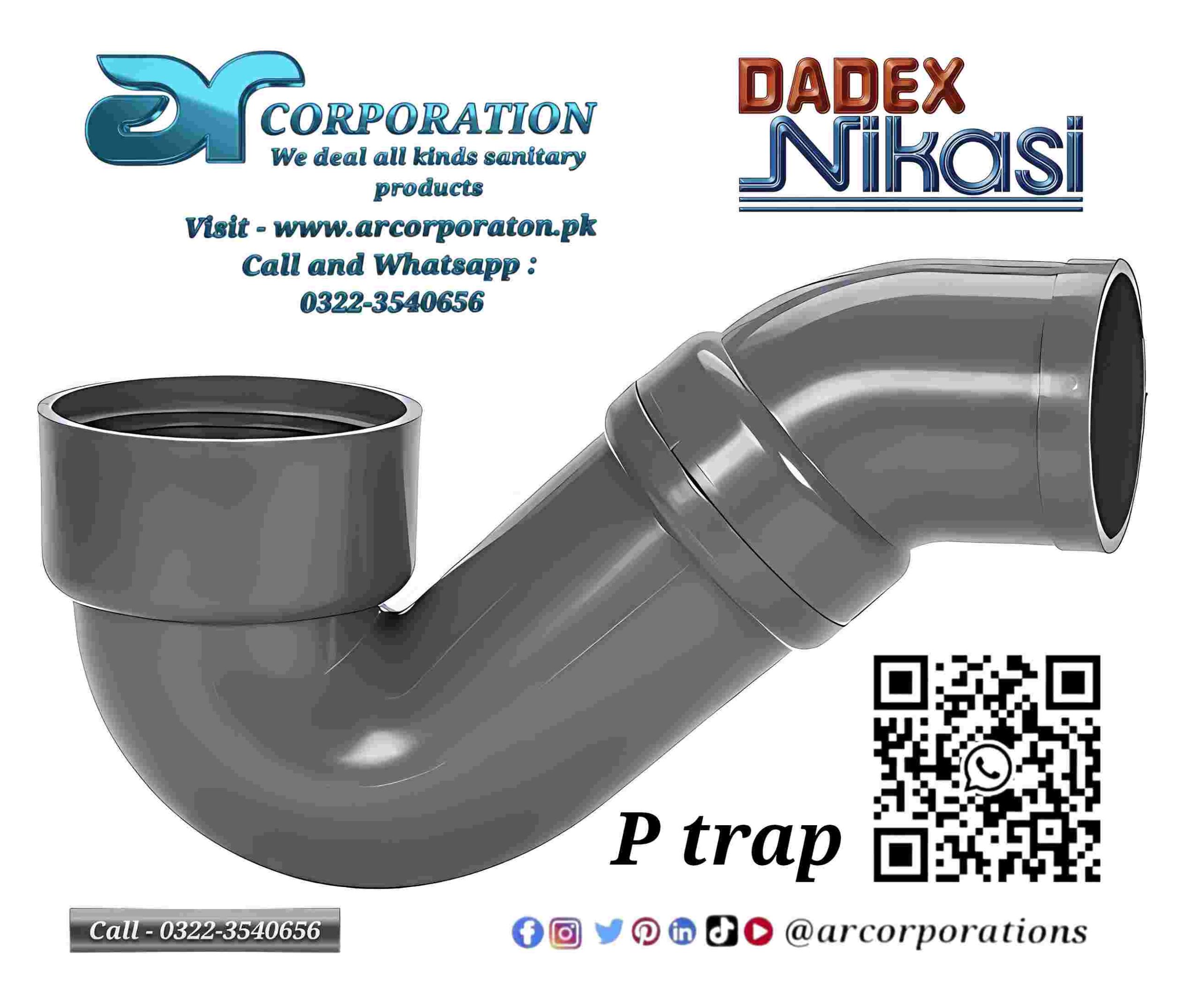
upvc P-Trap
Dadex Nikasi pipe and fittings Pressure Fittings, Drain sewer ventilation, Building materials suppliers in Islamabad Pakistan contact 0322-3540656
What is Dadex Nikasi upvc P-Trap ?
Dadex Nikasi appears to be a brand or model of UPVC (Un plasticized Polyvinyl Chloride) plumbing fittings, specifically designed for drainage, sewer, and ventilation systems. These include P-Traps (P-shaped traps that hold water to block sewer gases), push-fit connectors (tool-free, quick-assembly joints), and solvent-joint fittings (bonded with solvent cement for permanent seals). They are pressure-rated for low-pressure applications in residential, commercial, and industrial plumbing. Note: “Dadex Nikasi” may refer to a specific product line; if this is a proprietary brand, consult the manufacturer’s datasheet for exact details, as availability and specs can vary by region.
Description
- P-Trap: A curved pipe fitting that creates a water seal (trap) in drain lines to prevent foul odors and gases from backing up into buildings. It’s essential for sinks, toilets, showers, and floor drains.
- Push-Fit Joints: These use internal seals and grips to connect pipes without tools or adhesives. Simply push the pipe into the fitting until it clicks, allowing for easy disassembly if needed.
- Solvent Joints: Require solvent cement (like PVC primer and glue) to chemically bond pipes and fittings, creating a permanent, leak-proof connection.
- Pressure Fittings: Rated for low-pressure systems (typically up to 10-15 PSI), suitable for gravity-fed drains but not high-pressure water supply lines.
- Applications: Used in drain, sewer, and ventilation systems to route wastewater, manage airflow, and prevent blockages. Materials are corrosion-resistant, lightweight, and durable against chemicals in sewage.
These fittings are made from UPVC, which is rigid, non-toxic, and compliant with plumbing standards like ASTM D2665 or BS EN 1455 in many regions.
Specifications
Based on typical UPVC P-Trap and fitting specs (specifics for Dadex Nikasi may vary; check product labeling):
- Material: UPVC (virgin PVC resin, free from lead or harmful additives).
- Sizes: Common diameters: 32mm, 40mm, 50mm, 75mm, 110mm (internal/external as per standards).
- Pressure Rating: Up to 10 bar (145 PSI) for pressure fittings, but gravity-fed for drains/sewers.
- Temperature Range: -10°C to 60°C (14°F to 140°F); not for hot water lines.
- Standards Compliance: Often meets ISO 3633, EN 1329, or local plumbing codes (e.g., BS 4514 for drains).
- Dimensions: P-Trap depth typically 75-100mm; fittings vary by type (e.g., elbows, tees, reducers).
- Weight: Lightweight (e.g., 100-500g per fitting, depending on size).
- Color: Usually white or gray for visibility in installations.
- Durability: Resistant to UV degradation (for outdoor use), chemicals, and microbial growth; lifespan of 50+ years under normal conditions.
For precise specs, refer to the manufacturer’s catalog or product manual.
Installation
Installation requires basic plumbing tools and should follow local building codes. Always wear safety gear (gloves, goggles) and ensure systems are depressurized.
-
Preparation:
- Cut pipes squarely using a hacksaw or pipe cutter.
- Deburr edges and clean with a cloth to remove debris.
- For solvent joints: Apply PVC primer to both pipe and fitting ends, then solvent cement, and join immediately.
-
Push-Fit Assembly:
- Push the pipe into the fitting until it locks (you’ll hear/feel a click).
- No tools needed; ensure pipes are dry and clean for a tight seal.
- Test for leaks by running water.
-
Solvent Joint Assembly:
- Insert pipe into fitting while twisting slightly for even cement distribution.
- Hold for 30-60 seconds; allow 24 hours for full cure before pressure testing.
-
P-Trap Specifics:
- Install with the trap arm horizontal and outlet vertical.
- Ensure proper slope (1/4 inch per foot) for drainage.
- Secure with brackets if needed; avoid over-tightening to prevent cracking.
-
Ventilation Integration: Connect to vent stacks to equalize pressure and prevent siphoning.
-
Testing: Flush with water and check for leaks. Use pipe thread tape for threaded connections if applicable.
Professional installation is recommended for complex systems to avoid errors like improper sealing or blockages.
Usage
- Primary Use: In plumbing systems for waste drainage (e.g., kitchen sinks, bathrooms), sewer lines, and ventilation to maintain air flow and hygiene.
- Benefits: Easy to install, cost-effective, and low-maintenance. Push-fit allows quick repairs; solvent joints provide permanence.
- Maintenance: Clean periodically with a plunger or drain snake; avoid harsh chemicals that could degrade UPVC.
- Limitations: Not for high-pressure or high-temperature applications (e.g., hot water supply). Ensure compatibility with existing pipes (e.g., don’t mix with metal in corrosive environments).
- Safety Notes: Handle with care to avoid cracking; dispose of waste properly. If used in food-related drains, ensure non-toxic materials.

Reviews
There are no reviews yet.