
Description
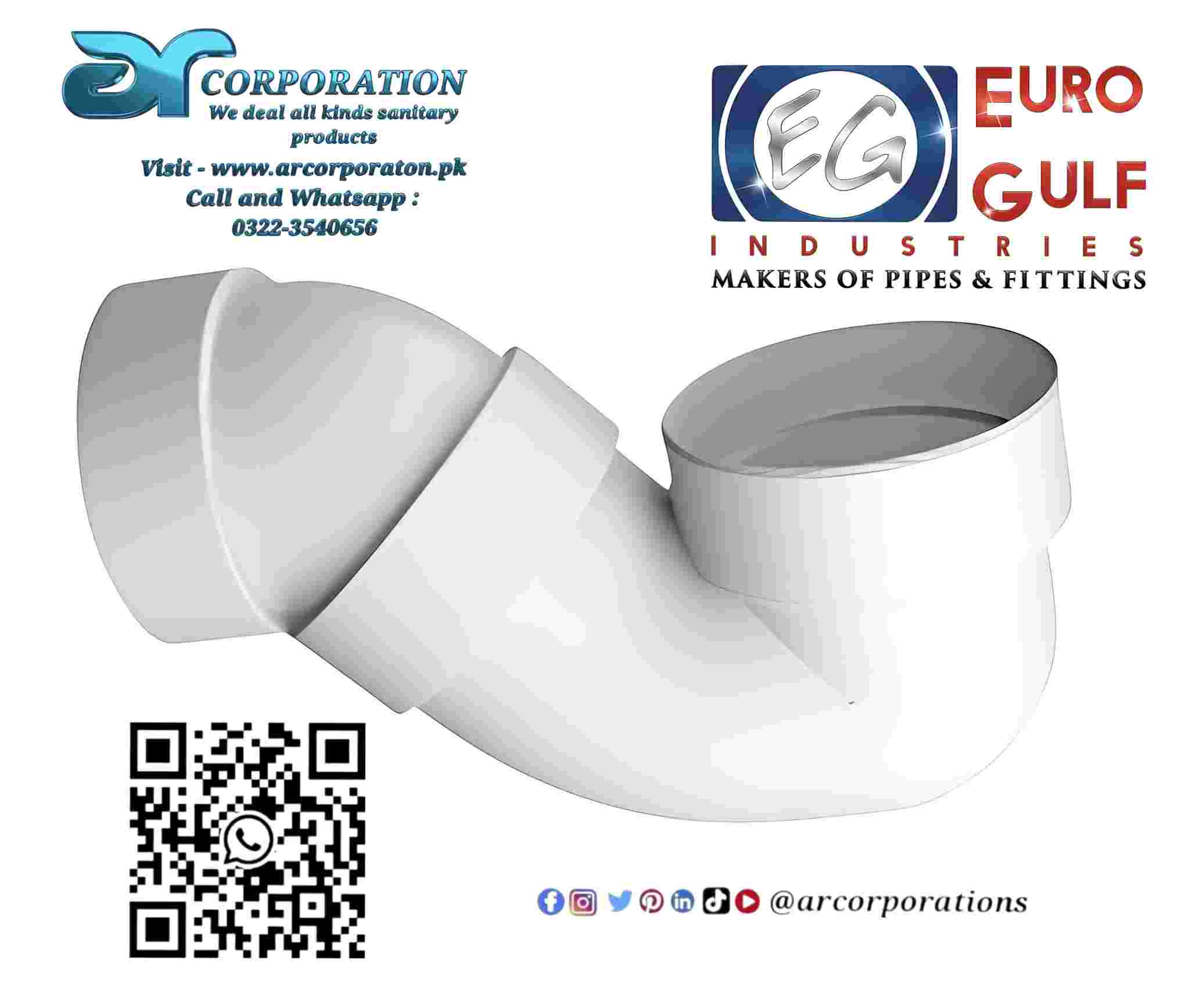
upvc P-Trap 2″
Euro Gulf local Dealer Suppliers in Karachi Contact 0321-2248975 ASTM uPvc Sch-40 Pressure Fittings, Drain sewer ventilation
What is Euro Gulf upvc P-Trap 2″ ?
Here is a detailed overview of the Euro Gulf UPVC P-Trap 2″ Schedule 40, including its description, specifications, installation, and usage for HVAC and hot/cold water supply:
Description
- The Euro Gulf UPVC P-Trap 2″ Schedule 40 is a plumbing fitting made from un plasticized polyvinyl chloride (UPVC), designed for use in drain, waste, and vent (DWV) systems, as well as certain HVAC applications.
- It is specifically used to prevent sewer gases from entering buildings by maintaining a water seal in the trap.
- The P-Trap is commonly installed under sinks, basins, and other fixtures where water drainage is required.
Specifications
- Material: UPVC (Un plasticized Polyvinyl Chloride)
- Size: 2″ (other sizes available)
- Schedule: 40 (standard wall thickness for general-purpose applications)
- End Type: Slip x Slip (solvent weld connection)
- Max Operating Temperature: 140°F (60°C)
- Standards/Listings: ASTM D2466
- Color: Typically white
- Pressure Rating: Suitable for non-pressure DWV applications; not intended for high-pressure water supply lines.
Installation
- Tools Required: PVC primer, PVC solvent cement, hacksaw or PVC cutter, measuring tape, marker, and deburring tool.
- Steps:
- Measure and Cut: Measure the required length of pipe and cut it to size using a hacksaw or PVC cutter. Deburr the cut edges.
- Dry Fit: Assemble the P-Trap and connected pipes without cement to ensure proper alignment and fit.
- Apply Primer: Apply PVC primer to the outside of the pipe and the inside of the fitting to clean and soften the plastic.
- Apply Cement: Apply PVC solvent cement to both the pipe and fitting.
- Join: Quickly insert the pipe into the fitting, giving it a quarter turn to ensure even distribution of the cement.
- Hold: Hold the joint together for about 30 seconds to prevent slippage.
- Cure: Allow the joint to cure for at least 2 hours before testing for leaks.
- Test: Run water through the system to check for leaks and proper drainage.
Usage
- Applications:
- Drainage systems for sinks, basins, and showers in residential and commercial buildings
- HVAC condensate drainage (for air conditioning units)
- Ventilation systems where non-pressure, corrosion-resistant piping is required
- Advantages:
- Highly resistant to corrosion and chemical attack
- Lightweight and easy to handle and install
- Smooth interior surface for efficient drainage and reduced risk of clogging
- Cost-effective and durable for long-term use
- Limitations:
- Not suitable for hot water supply above 140°F (60°C)
- Not designed for high-pressure applications; use only in gravity-fed or low-pressure systems.
Best Practices
- Always use UPVC primer and solvent cement designed for Schedule 40 UPVC pipes and fittings.
- Ensure all cuts are clean and deburred for a proper seal.
- Support the pipe adequately to prevent sagging or misalignment.
- Avoid using UPVC P-Traps for hot water or high-pressure applications; use CPVC or other suitable materials instead

Reviews
There are no reviews yet.