
Description
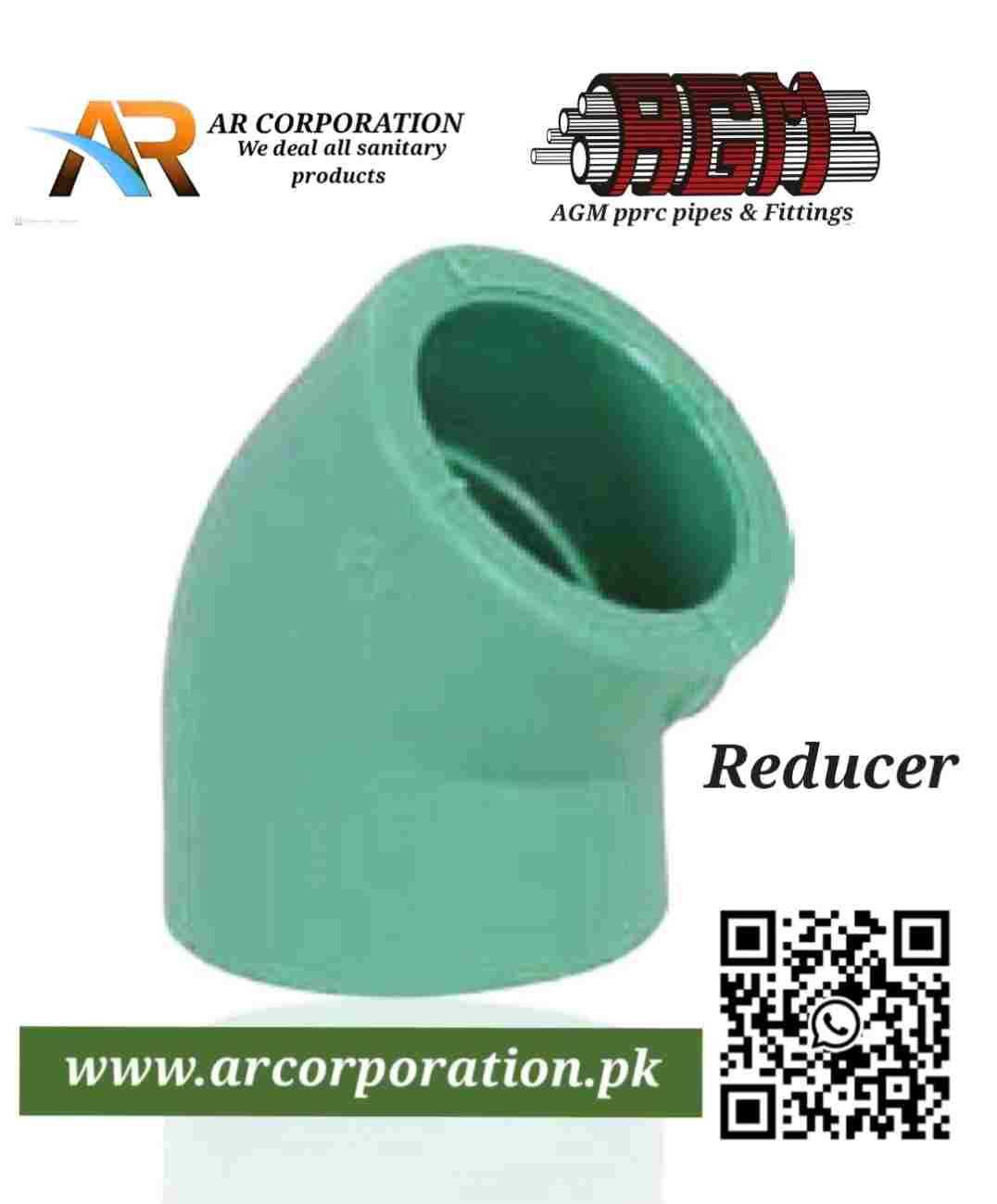
Pprc Elbow 45 Degree AGM Imported pprc
Pprc Elbow 45 Degree AGM Imported pprc Importer Distributor dealers Suppliers in Karachi Islamabad Rawalpindi, Contact 0322-3540656,
What is Pprc Elbow 45 Degree AGM Imported ?
AGM imports the PPRC Elbow 45 Degree PN 25 from Saudi Arabia (KSA), and plumbers use this specialized fitting in plumbing systems to create a 45-degree angle in piping layouts.
Below is a comprehensive overview of its details, applications, and usage.
Description
- Material: Engineers constructed it from Polypropylene Random Copolymer (PPRC), a material known for its robustness and resistance to corrosion.
- Pressure Rating: The PN 25 designation indicates that this elbow can withstand pressures up to 25 bar, suitable for various high-pressure applications.
- Design: The 45-degree angle allows for smooth directional changes in piping systems without significant flow disruption.
Applications
The PPRC Elbow 45 Degree is commonly used in:
- Water Supply Systems: Facilitates the routing of water lines in residential and commercial plumbing setups.
- Heating Systems: Ideal for hot water applications due to its ability to handle high temperatures.
- Industrial Applications: Suitable for transporting various fluids, including chemicals, thanks to its chemical resistance .
Where to Use
- Residential Plumbing: In homes to connect pipes at angles, optimizing space and layout.
- Commercial Buildings: In larger plumbing systems where directional changes are frequent.
- Industrial Facilities: For fluid transport systems that require precise routing and minimal pressure loss .
How to Use
- Preparation:
- Ensure that the pipe ends are clean and free from any debris or contaminants.
- Measure the required lengths of the pipes to be connected.
- Joining Pipes:
- Use a suitable PPR welding tool or solvent cement. Heat the ends of both the elbow and the pipes until they reach the appropriate temperature for bonding.
- Insert the pipe ends into the elbow fitting, ensuring that you fully seat them for a secure connection.
- Cooling:
- Allow the joint to cool completely before pressurizing the system. This ensures a strong bond and prevents leaks.
- Testing:
- After installation, gradually pressurize the system and check for leaks at all joints.


